

ANKARA · NASAL SURGERY
Primary rhinoplasty is a surgical procedure that aims to adjust the appearance of the nose and, where needed, its breathing function together, in people who have not had nasal surgery before.
What is primary rhinoplasty?
Rhinoplasty is an operation that reshapes the bony and cartilaginous framework of the nose, the nasal tip and the soft tissues covering it. “Primary” means that the nose is being operated on for the first time.
The nose is both a visible structure in the middle of the face and the first part of the airway. For this reason, planning takes into account not only the external appearance but also the structures inside the nose and breathing function.
How is planning done?
At the examination, the nasal bones, cartilage structure, skin thickness, septum and turbinates are examined together. Skin thickness and tissue characteristics affect the limits of the change that can be made and the recovery process.
Expectations are discussed openly during the consultation. The goal is a result that suits the person’s facial structure, looks natural and does not impair function. Because every nose is different, the same technique is not applied to everyone.
Surgery and recovery
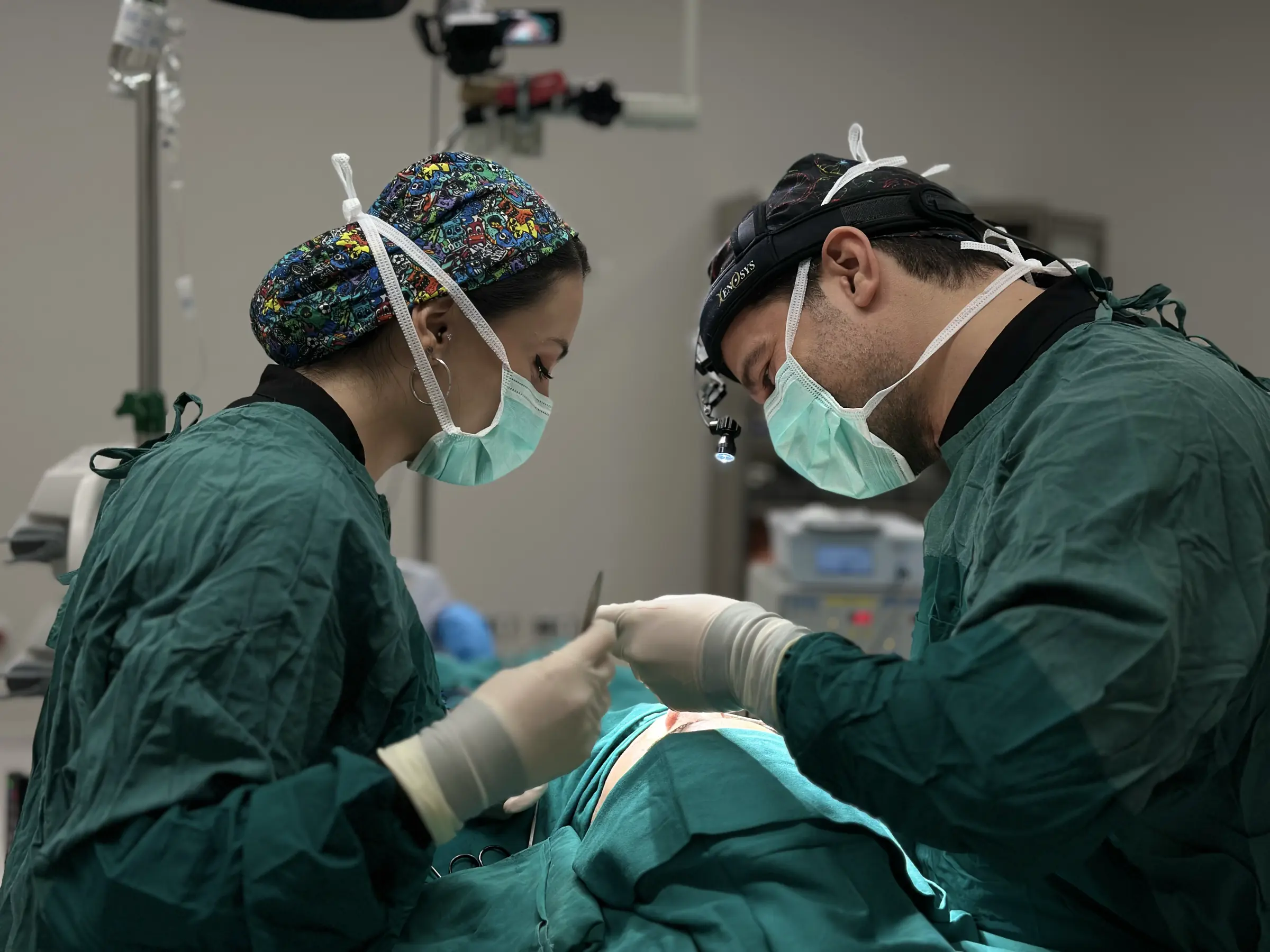
The operation is usually performed under general anaesthesia, and its duration varies with the scope of the procedure. After surgery, a splint or tape may be placed on the nose for support.
Swelling and bruising are most noticeable in the first weeks and fade over time. Fine swelling in the nasal tissues takes longer to resolve; the final appearance settles over months. The speed of recovery varies from person to person.
Risks and limitations
As with any surgery, bleeding, infection, anaesthesia-related risks and an appearance different from the expected result may occur. In some cases a second correction may be needed. These matters are discussed in detail before surgery.
When is it considered?
- People who are unhappy with the shape of their nose and are considering surgery for the first time
- People who have a breathing complaint together with concerns about nasal appearance
- People whose nasal shape has changed after trauma
- Adults who have completed facial growth and have realistic expectations
How does the process work?
- Listening to complaints and expectations, nasal examination
- Photographic assessment and explanation of the surgical plan
- Discussion of risks, benefits and limitations; necessary tests
- Surgery and immediate follow-up
- Monitoring recovery with planned check-ups
Frequently asked questions
When is the final result of rhinoplasty seen?
Swelling decreases markedly in the first weeks, but fine swelling at the nasal tip takes longer to resolve. The final appearance settles over months, and this period varies with skin type.
Can rhinoplasty also solve a breathing problem?
Blockages caused by a deviated septum or the nasal valve can be addressed in the same operation. This is decided according to examination findings.
How many consultations are needed before deciding on surgery?
The number of consultations varies from person to person. What matters is that expectations and the surgical plan are clearly understood.